What is LSD? (MICRODOSING WITH LSD)
MICRODOSING LSD
Microdosing LSD (lysergic acid diethylamide) is a synthetic (man-made) drug that has been abused for its hallucinogenic properties since the 1960s. If consumed in a sufficiently large dose, LSD produces delusions and visual hallucinations that distort the user's sense of time and identity give you a transformational feeling a happy and profound trip which studies have been proven to help with stress and depression disorders.
What does it look like? Taking a small amount of LSD
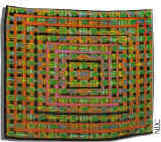
LSD Trip typically is sold as a liquid (often packaged in small bottles designed to hold breath freshening drops) or applied to blotter paper, sugar cubes and candy, gelatin squares, and tablets.
LSD blotter paper.
NDIC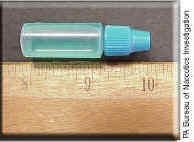
Bottle containing liquid LSD.
PA Bureau of Narcotics Investigation
How is LSD abused?
LSD generally is taken by mouth. The drug is colorless and odorless but has a slightly bitter taste.
Who uses LSD?
Individuals of all ages use LSD. Data reported in the National Household Survey on Drug Abuse indicate that an estimated 20.2 million U.S. residents aged 12 and older used LSD at least once in their lifetime. The survey also revealed that many teenagers and young adults use LSD--742,000 individuals aged 12 to 17 and 4.5 million individuals aged 18 to 25 used the drug at least once.
LSD use among high school students is a particular concern. More than 8 percent of high school seniors in the United States used the drug at least once in their lifetime, and nearly 4 percent used the drug in the past year, according to the University of Michigan's Monitoring the Future Survey.
What are the risks?
The effects associated with LSD use are unpredictable and depend upon the amount taken, the surroundings in which the drug is used, and the user's personality, mood, and expectations. Some LSD users experience a feeling of despair, while others report terrifying fears--of losing control, going insane, or dying. Some users have suffered fatal accidents while under the influence of LSD.
LSD users often have flashbacks, during which certain aspects of their LSD experience recur even though they have stopped taking the drug. In addition, LSD users may develop long-lasting psychoses, such as schizophrenia or severe depression.
LSD is not considered an addictive drug--that is, it does not produce compulsive drug-seeking behavior as cocaine, heroin, and methamphetamine do. However, LSD users may develop tolerance to the drug, meaning that they must consume progressively larger doses of the drug in order to continue to experience the hallucinogenic effects that they seek.
What is it called?
The most common names for LSD are acid, boomers, and yellow sunshine. (Please see the Street Terms text box below for additional names.)
Street Terms for LSD
|
Is LSD illegal?
Yes, LSD is illegal. LSD is a Schedule I substance under the Controlled Substances Act. Schedule I drugs, which include heroin and MDMA, have a high potential for abuse and serve no legitimate medical purpose.
Other products of interest:
Check out Fast Facts on:
- Crack cocaine
- Crystal methamphetamine
- GHB and analogs
- Heroin
- Inhalants
- Jimsonweed
- Ketamine
- Khat
- Marijuana
- MDMA
- Methamphetamine
- PCP
- Powdered cocaine
- Prescription drugs
- Yaba
Also available from NDIC:
- Huffing--The Abuse of Inhalants
- Prescription Drug Abuse and Youth
- Drugs, Youth, and the Internet

Comments
Post a Comment